

Understanding self-regulation skills
Explore the vital role of self-regulation in development, from early childhood to adolescence. Discover what self-regulation means, why it matters, and how it shapes social and emotional growth. We provide clear definitions, practical examples, and actionable strategies for both educators and families.
What is self-regulation?
Self-regulation refers to the ability to manage one's emotions, thoughts, and behaviors in pursuit of long-term goals. It encompasses a wide range of skills that enable individuals to control impulses, stay focused, and adapt to changing circumstances. Developing strong self-regulation skills is crucial for navigating social interactions, academic challenges, and personal well-being throughout life.
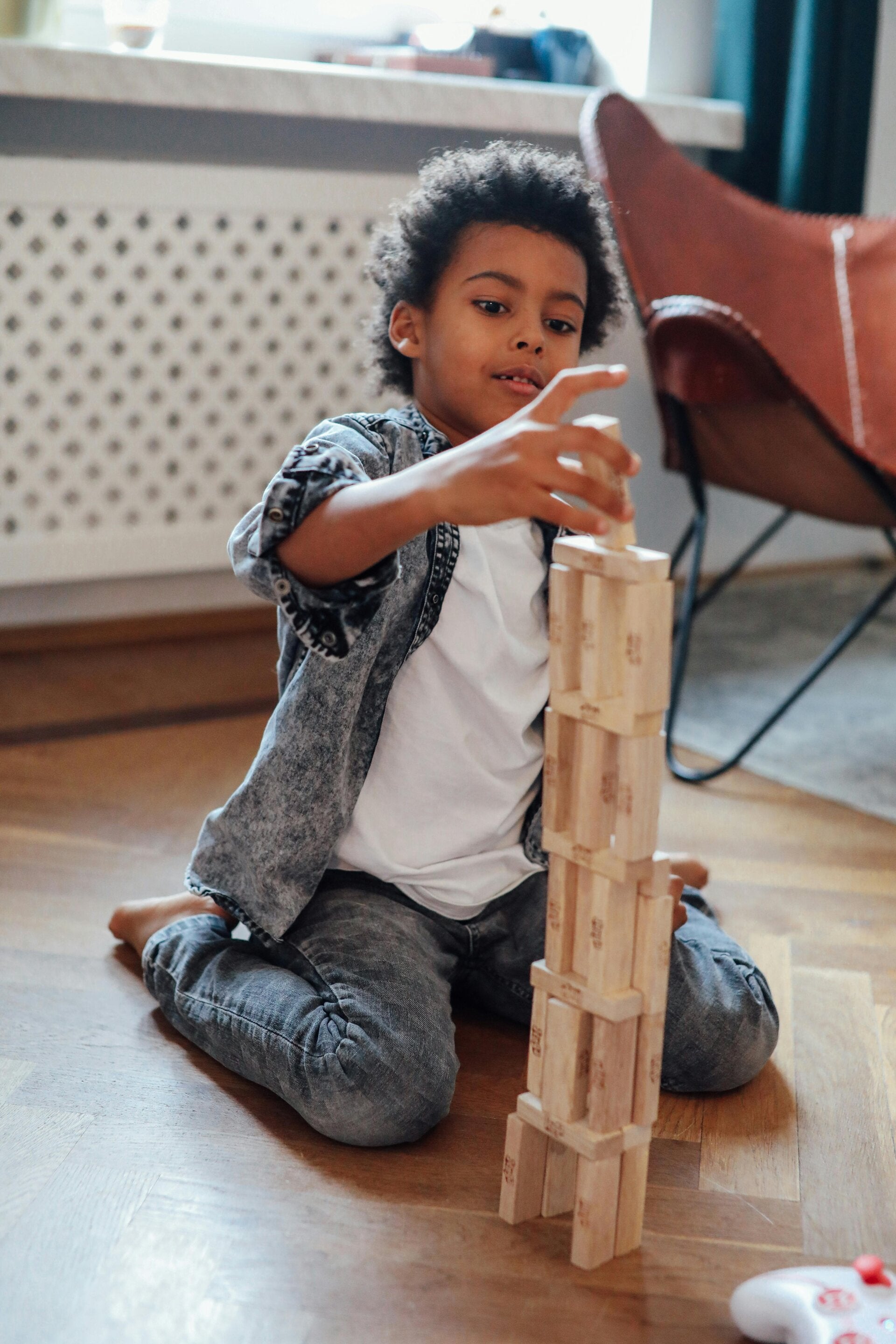
For example, a child who can wait patiently for their turn during a game is demonstrating impulse control, a key aspect of self-regulation. Another example is a teenager who can calm themselves down after a frustrating experience to focus on their homework. These skills are not innate; they are learned and developed over time through consistent practice and supportive environments.

Key components of self-regulation
Self-regulation is a multifaceted skill built upon several important ideas and examples:
- Emotional awareness and expression: Understanding and articulating one's own feelings.
- Impulse control: Resisting urges to act immediately without thinking.
- Anger management: Developing healthy ways to cope with anger and frustration.
- Mindfulness: Being present and aware of thoughts and feelings without judgment.
- Empathy: Understanding and sharing the feelings of others.
- Resilience: The ability to recover quickly from difficulties.
- Time management: Organizing and planning how to divide your time between specific activities.
- Stress management: Effectively dealing with periods of mental or emotional tension.
- Goal-setting: Establishing clear objectives and working towards them.
- Self-compassion: Treating oneself with kindness and understanding, especially during challenging times.

Classroom strategies for teachers
Teachers play a critical role in fostering self-regulation skills in both early childhood and adolescent students. Here are practical strategies to implement in the classroom:
- Build predictable routines and clear expectations: Consistent daily routines and clearly communicated expectations reduce anxiety and help students anticipate transitions, minimizing dysregulation.
- Teach emotional literacy: Expand students’ emotional vocabulary using visual aids, role-playing, and storybooks to help them identify and express feelings like frustration, excitement, or anxiety.
- Model self-regulation: Demonstrate calming strategies yourself, such as taking deep breaths or pausing before responding. Students learn valuable skills by observing adults.
- Introduce the zones of regulation: Utilize frameworks like The Zones of Regulation® to help students identify their emotional state and choose appropriate strategies to return to a calm, learning-ready state.
- Incorporate self-regulation games and activities: Engage students in games that require turn-taking, problem-solving, or delayed gratification to build impulse control and focus.
- Create a "regulation toolkit": Provide a designated space with sensory items, stress balls, or quiet activities that students can use to self-soothe and regain focus.
- Practice in calm moments: Teach and practice self-regulation strategies when students are calm, so they have tools ready for when emotions are heightened.
- Trauma responsive approach: Recognize that past experiences can impact a student's ability to self-regulate and adopt strategies that promote safety, trust, and emotional support.
Supporting self-regulation at home
- Start Early: Babies who get upset easily may have more trouble managing emotions as they grow. Parents and caregivers can help by talking about feelings early and pointing out emotions in books, movies, or daily life.
- Build Strong Relationships: Children who feel safe and loved by caregivers usually learn better emotional control. Being caring, comforting, and consistent helps children feel secure.
- Teach About Feelings: Help children learn the names of emotions like happy, sad, angry, or worried. It is easier to talk about feelings when children are calm.
- Model Good Behavior: Children learn by watching adults. When parents and teachers stay calm and respectful, children learn to handle emotions in healthy ways.
- Stay Calm: During tantrums or stressful moments, adults should try to stay calm before reacting. Taking deep breaths or stepping away for a moment can help.
- Talk About Better Choices: After children calm down, adults can talk with them about better ways to handle situations, such as asking for help or taking turns.
- Practice Skills: Role-playing different situations helps children practice problem-solving and emotional skills.
- Praise Positive Behavior: Praising good behavior works better than harsh punishment. Children are more likely to repeat behaviors that receive positive attention.
- Work Together: Parents, teachers, and caregivers should work together and use similar rules and support strategies.
- Be Patient: Emotional control takes time to learn. Children need support and understanding as they continue developing these skills.
Families are a child's first and most influential teachers. Supporting self-regulation skills at home, particularly during prenatal, infancy, and toddlerhood stages, lays a crucial foundation for future development. Creating a nurturing and responsive environment is key. For more in-depth information and strategies, refer to resources from reputable organizations such as the American Psychological Association on Emotion Regulation.
Create Your Own Website With Webador